
A SIMPLE Guide for NYC LandlorDS: Painting After Tenants Move Out

When tenants move out, landlords in New York City face the challenge of preparing the unit for the next occupant. One of the most common tasks is painting after moving out in NYC. This process is more than just a cosmetic update—it affects your property’s appeal, maintenance costs, and even legal responsibilities. Understanding what to expect and how to handle painting can save you time, money, and headaches.
Why Painting After Moving Out Matters for NYC Landlords
Painting is a key step in restoring a rental unit to good condition. It helps cover wear and tear, removes tenant markings, and refreshes the space. In NYC, where rental competition is fierce, a clean, well-maintained apartment attracts better tenants and can justify higher rent.
But painting after moving out in NYC is not just about aesthetics. It also plays a role in:
Security deposit disputes: Proper painting can prevent disagreements over damage claims.
Compliance with housing codes: Some NYC regulations require landlords to maintain safe and sanitary conditions, which includes the state of walls.
Protecting your investment: Fresh paint helps prevent damage from moisture and mold, which can be costly to repair.
When Should You Paint After Tenants Move Out?
Timing your painting is crucial. You want to balance quick turnaround with thorough preparation. Here are some guidelines:
Inspect the unit immediately after tenants leave to assess wall conditions.
Schedule painting after cleaning and repairs like patching holes or fixing water damage.
Allow walls to dry completely if any moisture issues were present.
Plan painting before listing the unit to maximize appeal for showings.
In many cases, landlords repaint every time a tenant moves out. However, if the previous tenant left the walls in excellent condition, a touch-up might suffice. Use your inspection to decide.
Choosing the Right Paint and Finish for NYC Rentals
Not all paint is created equal, especially for rental properties in NYC. Consider these factors:
Durability: Use paints designed to withstand frequent cleaning and wear. Acrylic latex paints are a popular choice.
Finish: Semi-gloss or satin finishes are easier to clean than flat or matte finishes, making them ideal for high-traffic areas.
Color: Neutral colors like white, beige, or light gray appeal to most renters and make spaces look larger and brighter.
Low VOC: Choose low volatile organic compound (VOC) paints to reduce odors and health risks, especially in multi-unit buildings.
Selecting the right paint can reduce the need for frequent repainting and improve tenant satisfaction.
Preparing Walls Before Painting
Proper preparation ensures a smooth, long-lasting paint job. Follow these steps:
Clean the walls to remove dirt, grease, and stains.
Fill holes and cracks with spackle or joint compound, then sand smooth.
Remove loose or peeling paint to prevent flaking.
Prime the walls if you are painting over dark colors, stains, or patched areas.
Skipping preparation can lead to uneven paint, peeling, or visible damage, which will require costly touch-ups later.
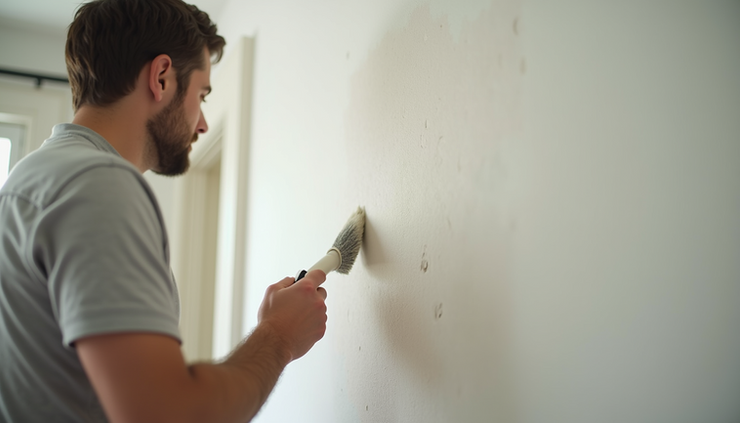
Hiring Professionals vs. DIY Painting
Deciding whether to paint yourself or hire professionals depends on several factors:
Size of the unit: Larger apartments may require professional help to finish quickly.
Skill level: Professionals deliver a cleaner, more even finish.
Cost: DIY saves money upfront but may lead to mistakes and rework.
Time constraints: Professionals can often complete the job faster, helping you rent the unit sooner.
For many NYC landlords, hiring a painting contractor familiar with local rental standards is a smart investment. They understand the best materials and techniques for painting after moving out in NYC.
Legal Considerations for Painting in NYC Rentals
NYC landlords must follow specific rules when maintaining rental units, including painting:
Lead paint laws: For buildings built before 1978, landlords must comply with lead paint regulations, including inspections and safe work practices.
Security deposit deductions: Painting to cover normal wear and tear is generally not deductible from a tenant’s deposit. Excessive damage may justify deductions.
Disclosure requirements: Landlords must disclose any lead paint hazards to tenants.
Staying informed about these rules protects you from legal disputes and fines.
Tips to Make Painting After Moving Out in NYC Easier
Keep a maintenance log: Track painting dates and materials used for each unit.
Use quality tools: Good brushes and rollers improve the finish and speed up the job.
Ventilate the unit: Open windows and use fans to reduce paint fumes.
Schedule painting during off-peak seasons: Avoid winter when drying times are longer.
Inspect the job thoroughly before listing the unit to catch missed spots or imperfections.
Final Thoughts on Painting After Moving Out in NYC
Painting after moving out in NYC is a necessary step to keep your rental units attractive and compliant with regulations. By inspecting the unit carefully, choosing the right paint, preparing walls properly, and knowing when to hire professionals, you can maintain your property’s value and reduce tenant turnover.
Make turnover easier
Coordinating painting between tenants doesn’t have to be complicated. Many NYC landlords choose to pair painting with professional move-out cleaning to save time and keep schedules on track.
At Konig Klean, we often support landlords during turnovers by handling painting alongside move-out and move-in cleaning—helping apartments feel refreshed, compliant, and ready for the next tenant without unnecessary delays.
A little paint goes a long way—and your next tenant will notice the difference right away.


Comments